HP EliteDesk G4 SFF as a NAS
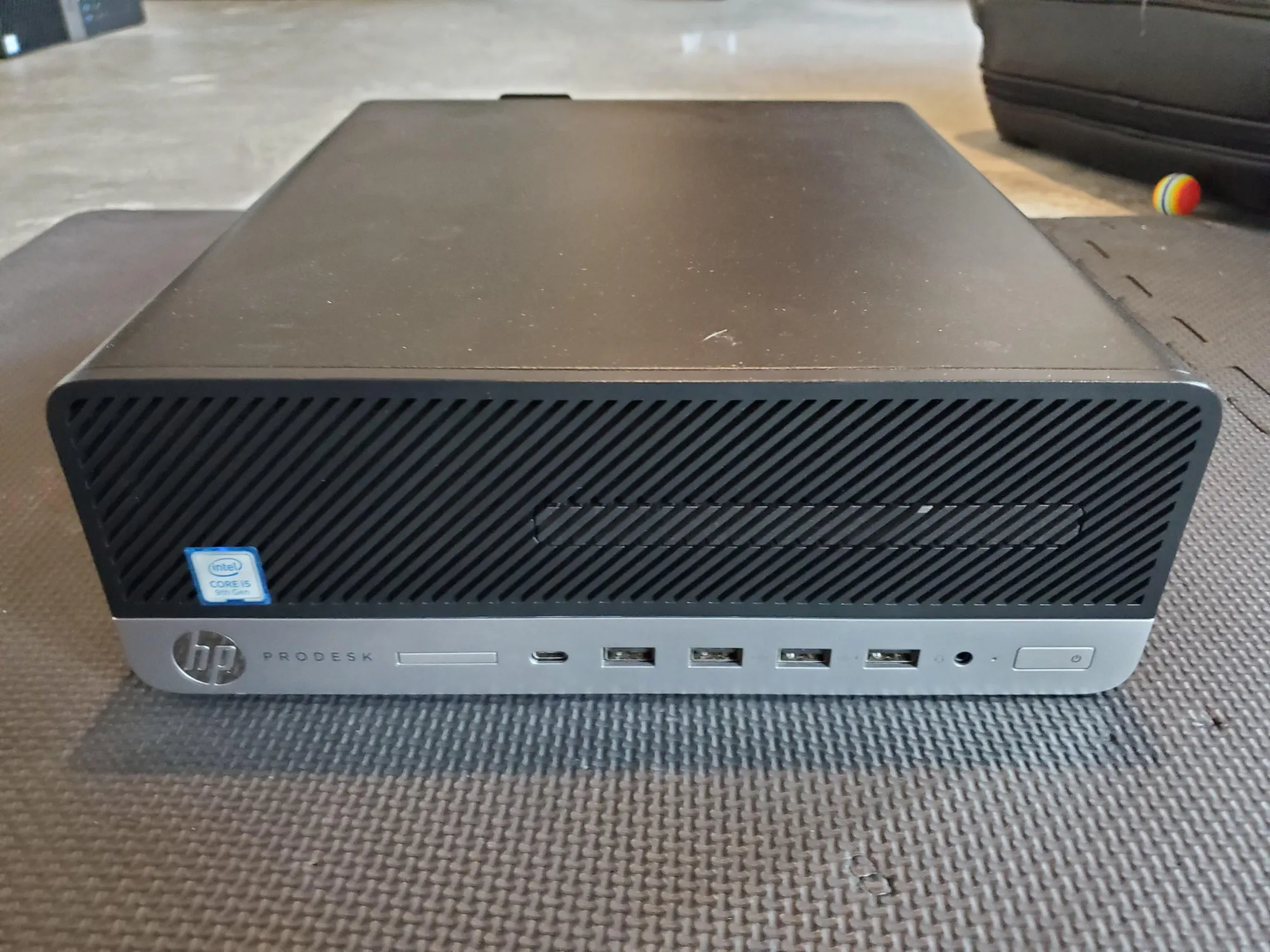
Review & Homelab Experience
Quick Verdict
The HP EliteDesk 800 G4 SFF is a surprisingly capable entry-level NAS server for homelabs with moderate storage and self-hosted app needs. It’s silent, energy-efficient, and powerful enough for media servers, containers, and backup targets. However, limited drive bays and non-ECC RAM mean it's best for tier-2 tasks—not mission-critical storage.
Final Score: 7.5/10 – Great value for budget homelabbers, with some important caveats.
At-a-Glance Specs
| Spec | Value |
|---|---|
| CPU | Intel Core i5-8500 (6C/6T, 3.0–4.1 GHz) |
| RAM | 16 GB DDR4-2666 (non-ECC, up to 64 GB) |
| Internal Bays | 1× 3.5", 1× 2.5", 2× M.2 NVMe slots |
| Expansion | 1× PCIe x16, 2× PCIe x1 (half-height) |
| Network | Intel I219LM Gigabit Ethernet (1 GbE) |
| USB / Other | 4× USB 3.1 Gen1, 4× USB 2.0, DisplayPort, HDMI |
| Power Supply | 250W 80+ Gold (upgradeable to 400W) |
| Power Use | 6–8W idle (no drives), 20–25W idle (with drives) |
| Noise | Near-silent (office/bedroom suitable) |
| OS Tested | TrueNAS SCALE 24.10 |
| Street Price | $150–$250 USD (refurbished, March 2025) |
Test Setup & Methodology
Hardware:
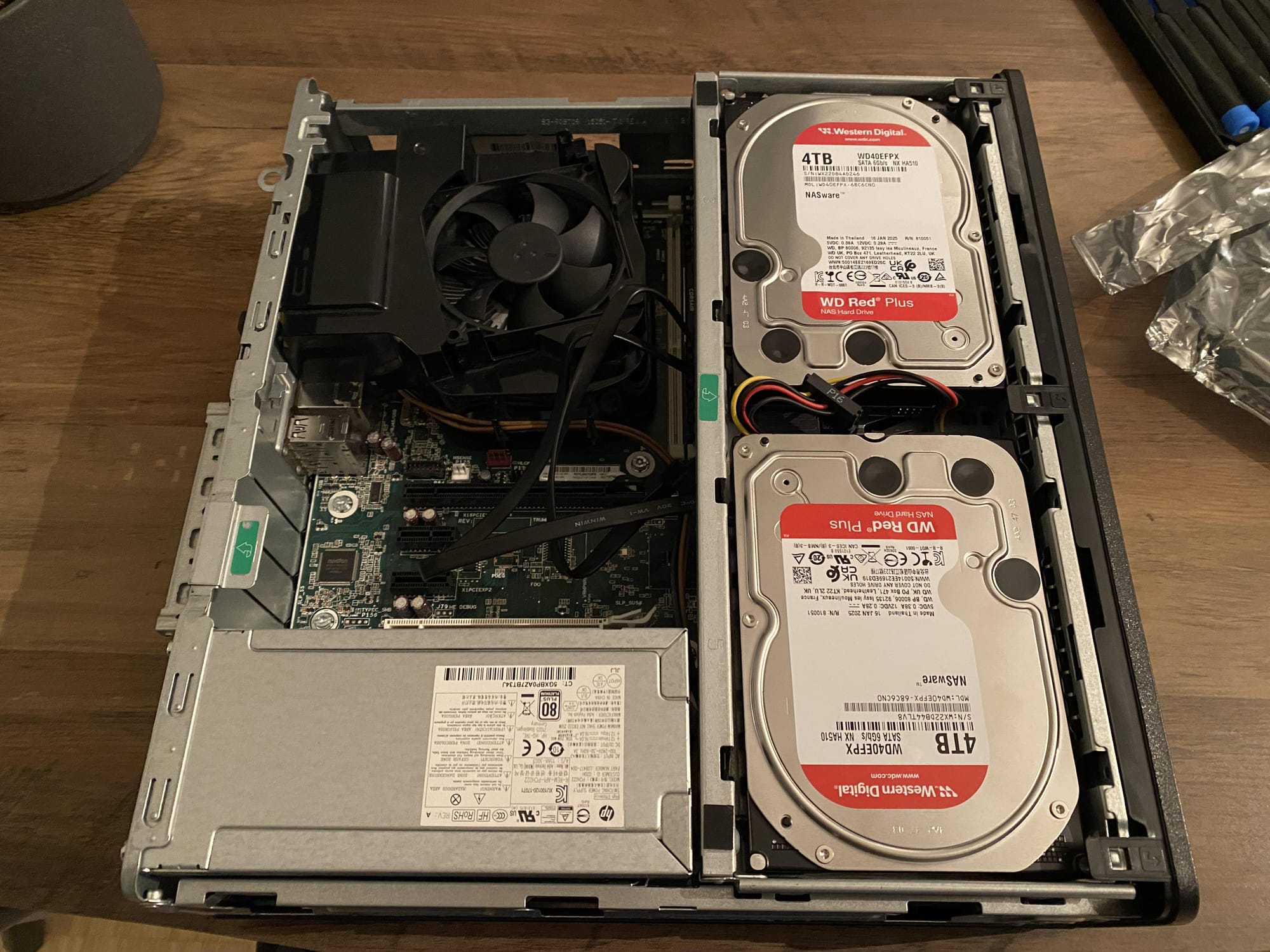
- HP EliteDesk 800 G4 SFF, i5-8500, 16 GB RAM
- 256 GB NVMe (system), 2× 4 TB WD Red Plus (ZFS mirror), 512 GB NVMe cache
- Gigabit Ethernet
Workloads:
- SMB file transfers (large & small files)
- Streaming: Jellyfin (3 concurrent transcodes)
- Docker containers: Immich, Nextcloud, Arr Stack
- Backups: Restic & SyncThing
- Benchmarks: iperf3, fio, rsync
Note: Used as Primary storage, backup target, and media server.
Design, Build Quality & Noise
- Chassis: Tough steel, tool-less design, simple drive install.
- Expansion: 1× 3.5" + 1× 2.5" + 2× M.2 slots ; possible expansion for 1 more 3.5" drive and PCIe HBA for more drives.
- Cooling: Quiet 92mm stock fan, 65–70°C CPU under load, drives stay below 42°C.
- Noise: Virtually silent, quieter than most consumer NAS units, suitable for any room.
Software & Features
TrueNAS SCALE Setup
- Disable Secure Boot in BIOS before install.
- TrueNAS booted easily to NVMe; web UI up in minutes.
- 256 GB NVMe for OS + system dataset; 2× 4 TB HDD for mirrored pool.
Storage Management
- ZFS mirror, lz4 compression, weekly scrubs.
- Snapshots, replication, smart alerts—smooth experience.
- Caveat: Non-ECC RAM requires extra backup discipline.
Apps & Ecosystem
- Jellyfin, Immich, Nextcloud deployed fine via TrueNAS SCALE’s app catalog.
- i5-8500 handles Jellyfin transcodes and Docker apps with plenty of headroom.
- 16 GB RAM is good for starters; upgrade to 32 GB if running heavy apps.
Backups
- SMB shares for Proxmox and Windows.
- Restic for encrypted offsite backups—no bottlenecks or issues.
Performance Benchmarks
Sequential SMB (1 GbE):
- Write: 112 MB/s
- Read: 115 MB/s (network limited, saturates Gigabit link)
Multi-client SMB:
- 3 clients: ~108 MB/s combined (network, not disk limited)
Random 4K IOPS (fio, ZFS mirror):
- Read: ~380 IOPS
- Write: ~180 IOPS (HDD limited, ZFS ARC helps)
Jellyfin + Backup Mixed Load:
- 3 transcodes + rsync backup: No stutter, stable throughput, 60% CPU use
NVMe L2ARC Cache:
- Cached reads up to 2 GB/s for hot files (e.g., Immich image previews)
- Most streaming tasks are disk-limited, little cache benefit there
Power, Thermals, Reliability
- Idle: 6–8W, With drives: 20–25W, Heavy load: 65–75W
- Annual cost: ~$26 at average 25W, very efficient
- Reliability: 3 months 24/7; no issues, clean SMART, no TrueNAS crashes
Pros & Cons
Pros:
- Whisper-quiet, low-watt 24/7 operation
- Strong CPU for apps, transcoding, ZFS
- Compact, discreet form factor
- Cheap & easy to find used
- Good Docker/self-hosting support
Cons:
- No ECC RAM (limits ZFS reliability for critical data)
- Only 2× internal drives (needs HBA for >2 drives)
- 1 GbE only—PCIe slot could upgrade but adds cost
- Desktop-class hardware not designed for NAS duties
Alternatives: Synology DS923+, QNAP TS-464, Jonsbo N2 DIY NAS (ECC, more bays, higher price).
Verdict
For homelab beginners, Jellyfin/backup servers, and self-hosted app enthusiasts, the HP EliteDesk 800 G4 SFF is one of the best ways to start with a NAS on the cheap. Know its limitations—mirror only, no ECC, 1 GbE—but it’s hard to beat for the price, noise, and efficiency. Don’t use for mission-critical data unless backed up elsewhere.
Tested: March 2025, TrueNAS SCALE 24.10, i5-8500, 16 GB RAM, 2× 4 TB ZFS mirror, 256 GB NVMe boot